Residential vs Commercial Tree Services in Lincoln: What’s the Difference?
Lincoln Tree Company
This is paragraph text. Click it or hit the Manage Text button to change the font, color, size, format, and more. To set up site-wide paragraph and title styles, go to Site Theme.
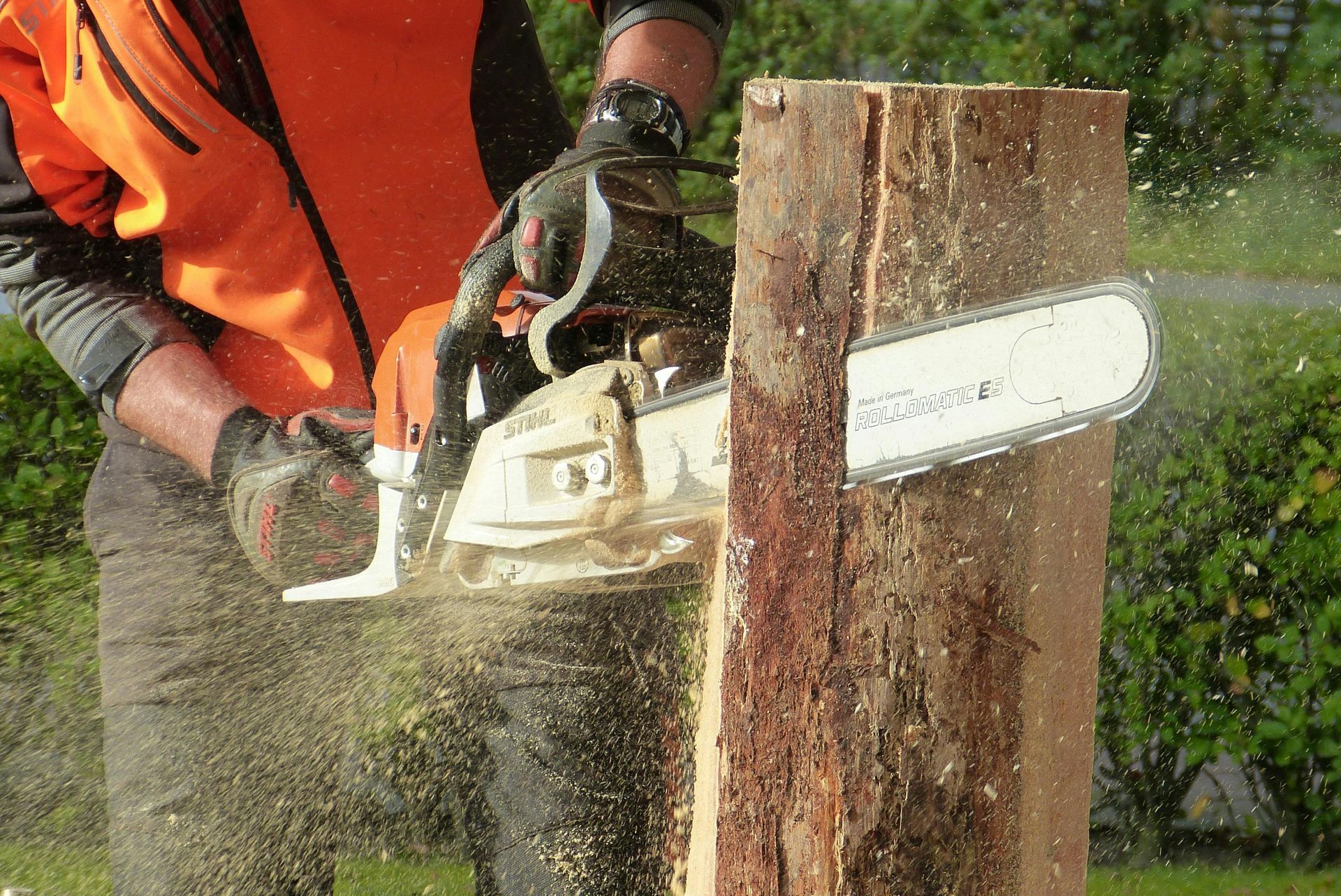
Finding the right tree company in Lincoln, Nebraska, is not always as simple as making one phone call. After a storm, new damage may suddenly appear. Over time, branches can creep closer to your roof. In some cases, a dying tree becomes impossible to ignore. Sometimes, routine care is simply overdue. At first glance, many companies look similar. Their websites look professional. Advertisements promise quality service. Free estimates are widely offered. Friendly voices answer the phone. Before long, uncertainty sets in. Who can really be trusted? Will my property be protected? Is this price fair? What happens if something goes wrong? If you have ever hesitated before hiring a tree company, you are not alone. Choosing the wrong provider can lead to property damage, extra expenses, and ongoing frustration. Asking the right questions early helps you avoid those problems. Why Choosing the Right Company Matters Tree work involves far more than cutting branches. Heavy equipment is used. Specialized skills are required. Serious safety risks are involved. Your home and property value are on the line. One mistake can damage roofs, fences, or landscaping. In some cases, people can be injured. Working with a qualified provider protects both your home and your peace of mind. That protection begins with choosing carefully. Licensing, Insurance, and Protection Insurance should always be discussed first. A professional tree company carries both liability insurance and workers’ compensation coverage. This protects you if accidents or damage occur during the job. Without proper coverage, homeowners may be left financially responsible. Asking for proof is reasonable and expected. Any hesitation in providing documentation should be taken seriously. Experience With Similar Properties Every tree job is different. Removing a backyard maple is not the same as clearing storm damage near power lines. Tight spaces require careful planning. Older neighborhoods often present unique challenges. A reliable company should be able to describe similar projects they have handled in the past and explain how they approached them. Experience matters most when dealing with large trees, limited access areas, or storm-related damage. Written Estimates and Clear Expectations Verbal pricing often leads to misunderstandings. A professional provider should offer a clear written estimate that explains what will be done, how cleanup will be handled, and what the final cost will be. This document protects both you and the company. It ensures everyone is working from the same expectations. If a company avoids putting details in writing, that is usually a warning sign. Protecting Your Home and Property Tree work takes place close to valuable structures. Before hiring, ask how your home, driveway, landscaping, and neighboring properties will be protected. A thoughtful company will explain how they plan to cut angles, control falling branches, position equipment, and protect nearby surfaces. Careful preparation shows professionalism. Rushed planning often leads to costly repairs. Who Will Be On Your Property Not every company uses full-time, in-house crews. Some rely on subcontractors. Others rotate temporary workers. While this is not always a problem, you deserve to know who will be working on your property. Ask about training, supervision, and experience. Well-prepared teams follow safety standards and work efficiently. Strong companies take responsibility for everyone involved in the job. Debris Removal and Stump Handling Removing branches is only part of the process. Before hiring, make sure you understand what happens afterward. Will wood be hauled away? Can firewood be kept? Is stump grinding included? Will the area be leveled? Clear expectations prevent disappointment. A professional company should explain cleanup options and pricing upfront. Permits and Local Requirements Some tree removals in Lincoln require city approval or special permits. Experienced local companies understand these requirements and know how to manage them properly. Ask whether permits are needed and who will handle the process. Proper compliance helps avoid fines, delays, and legal issues. Local knowledge is a major advantage. Reputation and Customer Feedback Advertising can only tell you so much. A company’s reputation reveals how they actually treat customers. Look for consistent feedback about reliability, communication, workmanship, and professionalism. One negative review does not always mean much, but patterns across many reviews matter. Strong reputations are built over years of dependable service. Why Extremely Low Prices Can Be Risky Low prices can be tempting, especially when unexpected repairs are already stressful. However, unusually cheap quotes often come with hidden problems. Some companies lack insurance. Others rush jobs. Some skip safety procedures. A few disappear after being paid. The real cost often appears later through repairs, liability issues, or unfinished work. Fair pricing reflects training, equipment, and responsibility. Comparing Estimates With Confidence Getting two or three estimates gives you perspective. It helps you see differences in planning, professionalism, and communication. Pay attention to how clearly questions are answered and how detailed proposals are. Price matters, but it should never be the only factor. Clear explanations and honest recommendations are often better indicators of quality. Preparing for Your Consultation A little preparation goes a long way. Before meeting with a company, think about your goals. Do you want full removal, tree trimming , or long-term maintenance? Are there access challenges? Do you plan to replant later? Sharing this information helps professionals provide accurate recommendations and realistic pricing. Better planning leads to better results. Building a Long-Term Tree Care Partnership Tree care works best when it is consistent. Regular inspections and maintenance reduce emergencies, lower long-term costs, and help trees stay healthy. Many homeowners find that working with the same trusted provider over time leads to better results and fewer surprises. A long-term relationship creates stability for both your property and your budget. Final Thoughts Hiring a tree company is an important decision. Asking thoughtful questions protects your investment and your home. Insurance matters. Experience matters. Communication matters. Preparation matters. Taking time to choose carefully now saves stress later. If you need professional guidance in Lincoln, a trusted local team can walk you through every step. To schedule a free inspection, contact Lincoln Tree Company for honest recommendations based on your property and needs. Your trees deserve skilled care. And you deserve service you can rely on.

Stump Removal in Lincoln, Ne. Why you need to do it before planning any build.
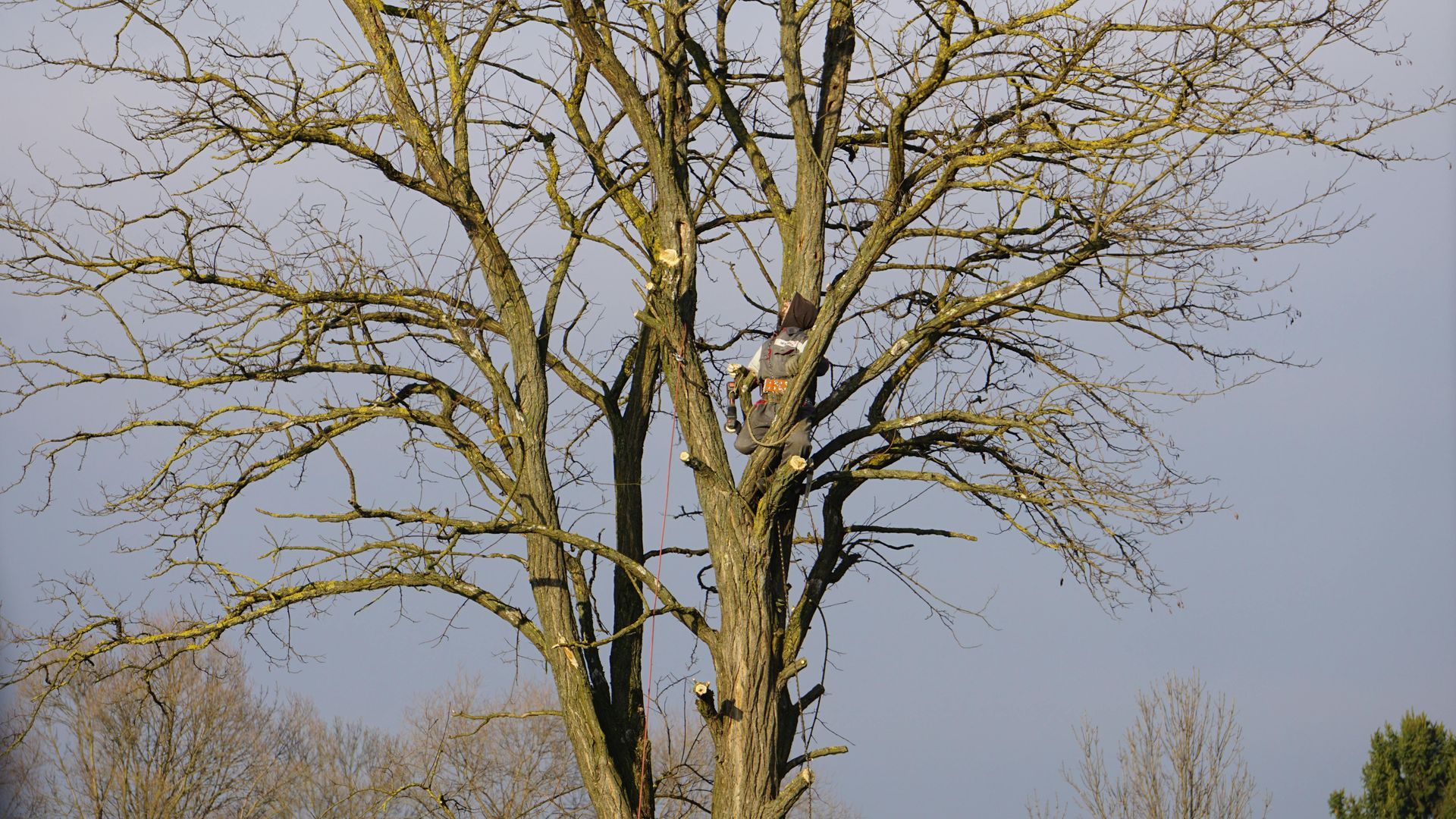
Owning a home in Lincoln, Nebraska, means dealing with strong winds, heavy snow, summer storms, and constant seasonal changes. Over time, all of that weather takes a toll on your trees. Branches slowly grow longer. Limbs stretch toward roofs and power lines. Leaves become heavier. Older wood weakens little by little. Most homeowners do not think much about their trees until something goes wrong. A branch falls onto the driveway. A limb scrapes the roof during a storm. Gutters overflow with leaves. Shingles begin to wear down. Many costly repairs in Lincoln start with small tree problems that were easy to overlook. This guide explains how proper tree trimming helps protect your home, your finances, and your peace of mind. Why Trees Become a Risk Over Time Trees are always growing, even when it does not seem obvious. Each year, branches become heavier. Limbs extend farther from the trunk. Small weak points slowly develop inside the structure. At first, these changes appear harmless. Over time, however, wind, snow, and ice place extra pressure on already stressed areas. Without regular care, a tree that once provided shade and beauty can quietly turn into a safety concern. How Overgrown Branches Can Damage Your Home One of the most common problems comes from branches growing too close to buildings. When limbs touch roofs, siding, or chimneys, damage begins gradually. Shingles wear down, gutters loosen, paint scrapes away, and moisture builds up. During storms, these same branches can break and fall directly onto your home. Even smaller limbs can cause expensive repairs when they land in the wrong place. Proper trimming creates a safe distance between trees and structures, helping prevent this type of damage. When a tree has already become unsafe, professional tree removal may be the safest option. The Hidden Danger of Weak or Dead Limbs Dead or weakened branches are especially dangerous. From the ground, they often look solid. Inside, however, the wood may already be decaying. Wind, ice, or heavy rain can cause these limbs to snap without warning. Falling branches frequently damage homes, vehicles, fences, and outdoor spaces. They also put people at risk. Routine tree trimming and tree pruning help remove these hazards before accidents happen. How Lincoln’s Weather Makes Tree Care So Important Lincoln’s climate creates constant stress for trees. Strong spring winds, summer thunderstorms, winter ice, and heavy snow all affect branch strength and stability. Overgrown canopies catch more wind. Unbalanced branches strain the trunk. Weak structure increases the chance of failure. Regular trimming prepares trees to handle storms more safely and reduces emergency situations. Why Proper Trimming Makes Trees Stronger Good trimming is not just about cutting branches. It is about shaping healthy growth. Professional trimming improves balance, airflow, and weight distribution. It reduces wind resistance and encourages stronger limb development. When weight is evenly distributed, trees are less likely to split or topple. Healthier trees also resist disease and pests more effectively. In some cases, additional tree treatment may be recommended to support long-term stability. Preventing Roof, Gutter, and Drainage Problems Many homeowners are surprised by how much damage trees cause to roofs and gutters over time. Leaves and debris collect in gutters, blocking water flow. Standing water leads to rot, leaks, and foundation issues. Overhanging branches constantly drop material onto roofing surfaces. During storms, they may scrape or tear shingles. Routine trimming keeps drainage systems working properly and protects roofing materials from unnecessary wear. How Trimming Helps Protect Foundations and Walkways Branches and roots work together to support a tree’s structure. When branches become too heavy, roots compensate by shifting underground. Over time, this can affect soil stability. Roots may lift sidewalks, crack driveways, and stress foundations. While trimming does not stop root growth completely, it reduces overall stress and encourages balanced development. This lowers the risk of long-term structural problems. For weakened trees, cable and bracing systems may be used to provide extra support. How Tree Trimming Affects Insurance and Liability Many homeowners do not realize that neglected trees can affect insurance claims. If a damaged tree is clearly hazardous and left untreated, insurance companies may limit coverage after an accident. Regular trimming shows that you are maintaining your property responsibly. This can help protect you if a claim ever becomes necessary. It also reduces liability if falling branches injure someone or damage a neighbor’s property. Preventing Problems With Neighbors Overgrown trees do not always stay on your side of the fence. Branches may extend over property lines. Leaves may clog nearby gutters. Roots may affect shared walkways. Without maintenance, these situations can lead to disputes. Routine trimming helps maintain good relationships with neighbors by preventing avoidable issues. Reducing Pest and Wildlife Problems Overgrown trees often become shelters for pests and animals. Dense branches provide access for squirrels, raccoons, and birds to reach roofs and attics. Insects thrive in decaying wood. Trimming reduces hiding spots and limits easy access to your home. This helps prevent infestations and structural damage caused by wildlife. Why Professional Trimming Makes a Real Difference Some homeowners try to trim their own trees. Light pruning may seem manageable. Larger jobs are far more complex and dangerous. Improper cuts can weaken trees, cause uneven growth, and increase the risk of failure. Professional crews understand where to cut, how much to remove, and how to protect long-term stability. They also carry proper insurance, which protects your home if something goes wrong. Seasonal Tree Care Planning in Lincoln Tree care works best when it follows seasonal patterns. Late winter and early spring are ideal for structural trimming. Summer trimming focuses on maintenance. Fall is often used for storm preparation. Winter inspections help identify damage. Working with a professional allows you to plan trimming around Lincoln’s weather patterns instead of reacting to emergencies. Do You Need Permits for Tree Work? Some properties, especially in certain neighborhoods or near protected areas, may have local rules regarding tree removal. A professional tree company can help determine whether permits are needed and ensure all work follows city guidelines. This prevents legal issues and unexpected delays. Signs Your Trees May Need Attention If you are unsure whether your trees need professional care, watch for these warning signs: Branches touching your roof, siding, or power lines Limbs hanging low over walkways or driveways Dead, brittle, or leafless sections Heavy debris buildup in gutters Uneven or lopsided canopy growth If you notice any of these issues, it is worth scheduling an inspection. What a Professional Inspection Includes During an inspection, technicians look beyond surface appearance. They examine branch structure, trunk strength, root stability, growth patterns, and nearby hazards. This allows them to recommend trimming, monitoring, or additional services based on real conditions. When removals are necessary, stump grinding may also be included to fully restore your yard. Clear guidance replaces guesswork. Building a Long-Term Tree Care Plan Tree trimming works best as part of an ongoing care plan. Regular maintenance keeps trees healthy year after year and helps homeowners avoid surprise emergencies. A long-term plan often includes inspections, trimming, treatment, and structural support when needed. This approach protects both your landscape and your investment. Final Thoughts Property damage caused by trees is rarely sudden. It develops slowly. It starts quietly. It builds over time. Proper trimming stops problems before they grow. It protects your roof. It preserves your landscaping. It safeguards your finances. It keeps your family safe. If you are concerned about trees near your home, now is the right time to act. Contact Lincoln Tree Company to schedule a free inspection and receive honest guidance based on your property and Lincoln’s unique conditions. Your home deserves protection. And healthy trees are one of the best ways to provide it.

The cost of tree removal in Lincoln, Ne and surrounding areas