Lincoln Tree Company
402-267-9905
Skilled Tree Treatments in Lincoln NE
Tree problems almost never start with a dramatic failure. They start quietly. Leaves thin out a little earlier each year. Growth slows in places that used to be full. Color fades before fall should really set in. If you’re searching for
Tree Treatments in Lincoln NE, you’re likely noticing one or more of these changes and trying to decide whether the tree is stressed or already in decline.
What is Tree Treatment?
Tree treatments focus on health rather than structure. They are used when a tree is still standing safely but isn’t functioning the way it should. That distinction matters. Treatments won’t fix major splits, leaning trunks, or failing attachments. They work best when the problem is physiological rather than structural.
In many cases, decline starts at the root level. Soil becomes compacted. Oxygen availability drops. Nutrient uptake slows. The tree compensates for a while, then slowly loses ground. Treatments are designed to relieve that stress so the tree can regain balance.
Not every tree benefits from treatment. Some are simply aging. Others have been compromised beyond recovery. Knowing when treatment makes sense, and when it doesn’t, is more important than the treatment itself.
What Sets Our Service Apart
We don’t start with products. We start with context.
A tree growing next to a commercial parking lot faces different stress than one in a residential yard. Construction, vehicle traffic, drainage changes, and soil disturbance all leave long-term effects. Without understanding those factors, treatment becomes guesswork.
Before recommending anything, we evaluate soil conditions, root space, recent changes to the property, and the tree’s growth history. We look for patterns rather than symptoms. That allows us to recommend targeted treatments instead of blanket applications.
Over-treating is a real problem. Too much intervention can create dependency or mask deeper issues. Our goal is to apply only what helps and avoid what doesn’t.
Get a Free Estimate Today
Why Choose Us?
Tree treatments require honesty. They don’t produce instant results, and they don’t save every tree. Anyone promising otherwise is setting unrealistic expectations.
We explain what we’re seeing, what treatment can reasonably accomplish, and how long improvement typically takes. Sometimes the answer is treatment. Sometimes the smarter move is monitoring. Sometimes it’s planning ahead for eventual removal.
Residential homeowners appreciate knowing whether a tree can realistically recover. Commercial property managers value clear recommendations that reduce liability and avoid unnecessary spending. In both cases, straightforward guidance matters more than optimism.
If you want to talk through your situation before deciding, call us today. We’ll give you aclear answer without pressure.
Signs You Need Tree Treatment
Tree health issues usually develop gradually. They don’t announce themselves with a single event. Instead, small changes accumulate until decline becomes noticeable. Identifying those signs early gives treatment the best chance of success.
Leaf Damage
Leaves that are smaller, lighter in color, or uneven across the canopy.
These changes often point to nutrient imbalance or root stress rather than normal seasonal variation. Delayed leaf-out in spring or early leaf drop in fall
Timing shifts can indicate moisture issues, compacted soil, or declining root function.
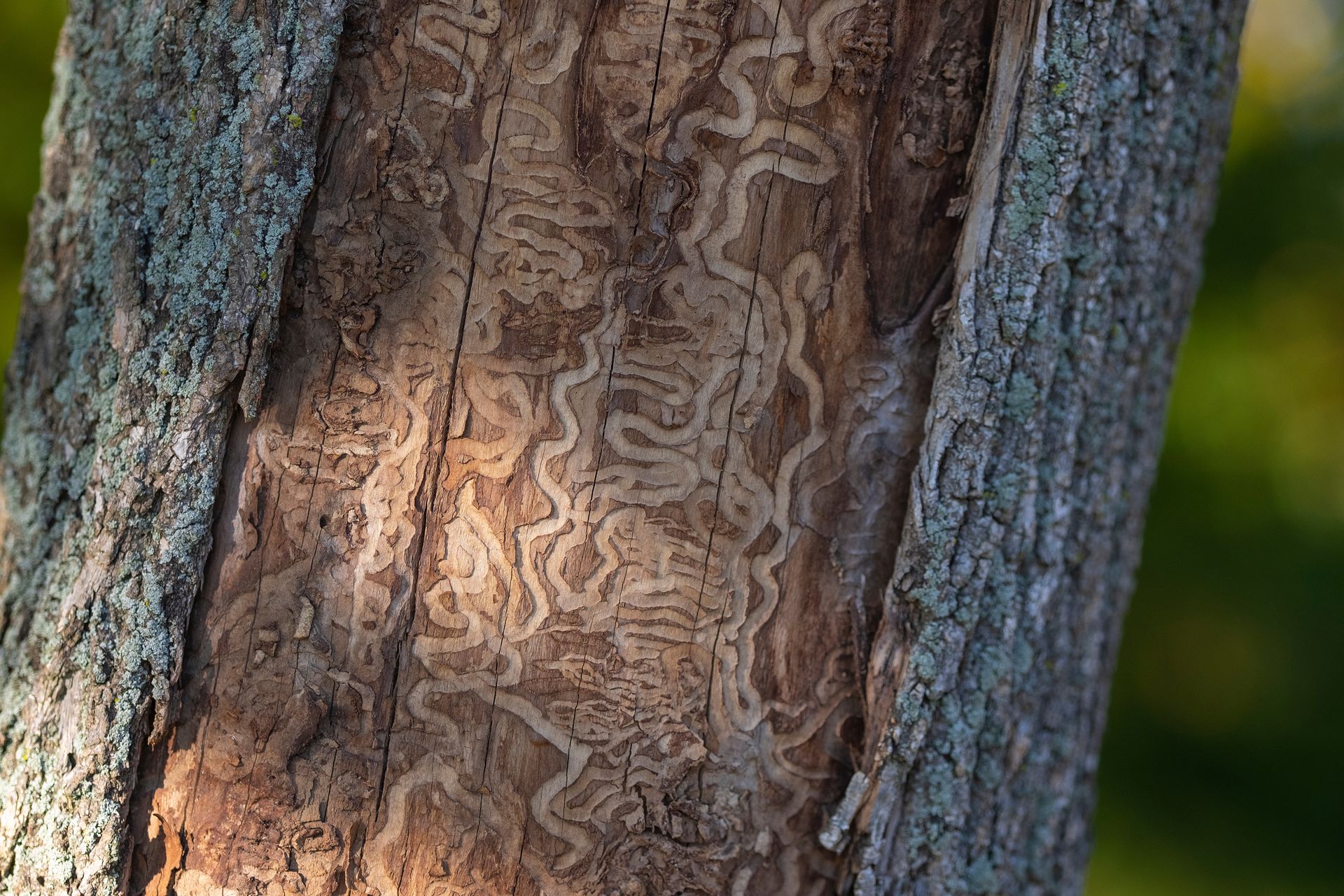
Insect Activity
Increased insect activity on a tree that was previously healthy
Many insects target stressed trees first, making infestations a symptom rather than the root cause.
Fungal Growth
Fungal growth on the trunk or near the base of the tree
Mushrooms and conks may signal internal decay or moisture-related problems that deserve evaluation.
Soil Degradation
Soil that is compacted or frequently trafficked around the root zone
Foot traffic, vehicles, and equipment can limit oxygen and nutrient absorption over time.
If you're unsure whether a tree on your property needs treatment, don’t wait. We’ll inspect the situation, offer expert advice, and act with tree health as our top priority. Call us today!
Our Step-by-Step Tree Treatment Process
Tree treatments should never be applied on autopilot. We follow a consistent, judgment-based process to avoid unnecessary or ineffective applications.
Initial Site Assessment
- We begin by assessing the tree’s condition, environment, and history. Soil quality, drainage, root space, and prior damage all factor into whether treatment is appropriate.
Recommendation
- Once the underlying issue is identified, we recommend a targeted approach designed to address that specific stress. This may involve soil improvement, nutrient support, or pest or disease management.
Application phase
- We never rush this part. Application is done carefully. More product does not equal better results. Rate, timing, and placement matter far more than volume.
Aftercare
- After treatment, we explain what to watch for. Some improvements are subtle and take time. Others become noticeable during the next growing season. Setting expectations correctly prevents frustration.
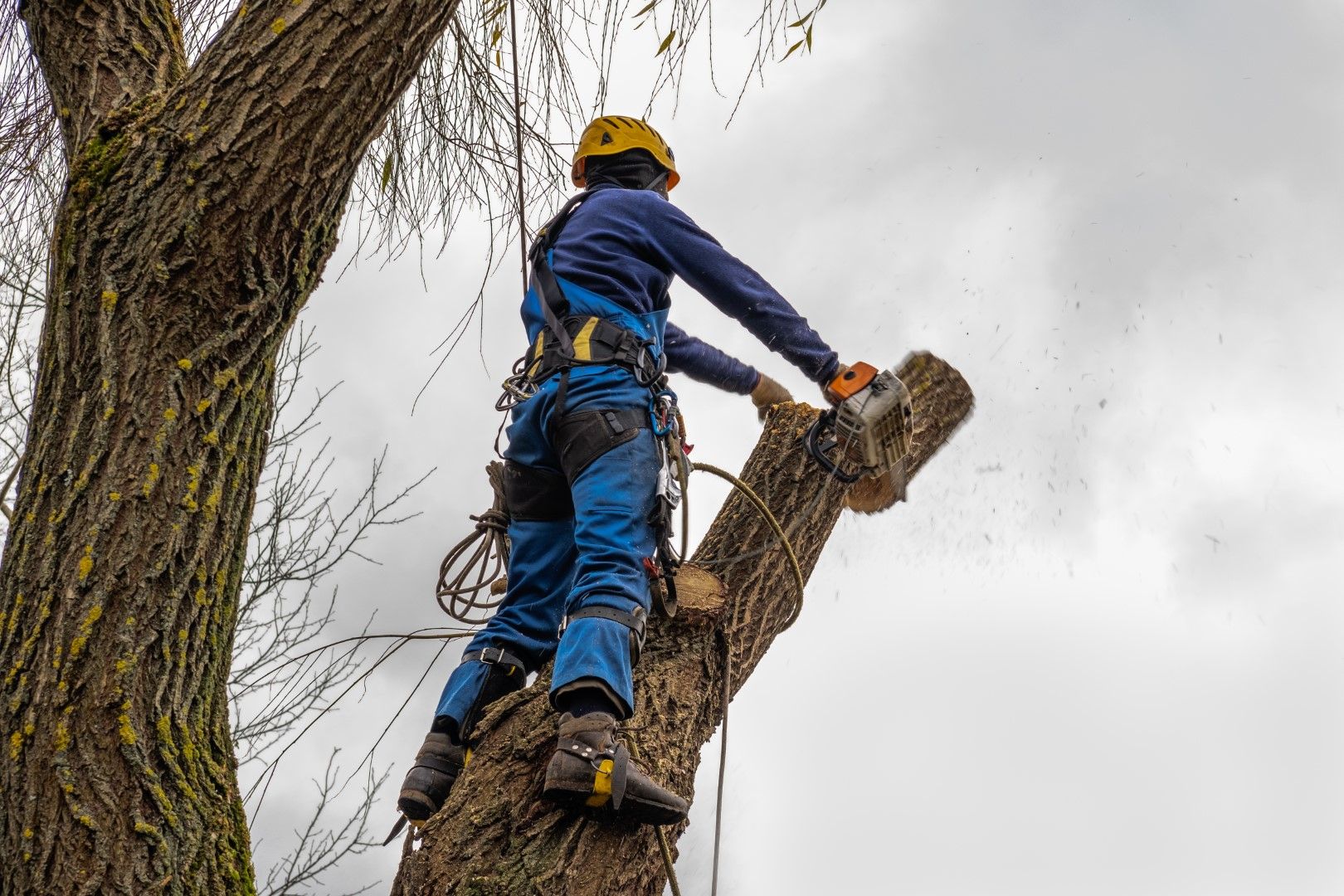
Let’s take the stress out of your tree service project. Whatever your looking for we cover it here! Take a look at our other services:
If you don't see the service you are looking for give us a call!