From Backyard to Build-Ready: Why Stump Grinding Matters for Lincoln Homeowners
Life in Lincoln, Nebraska, often means dealing with the remains of trees that once shaped your yard.
Sometimes a storm takes one down.
Other times, a dying tree needs to be removed.
Occasionally, a previous owner leaves the work unfinished.
And many times, the stump just never feels urgent enough to handle.
At first, most stumps seem harmless.
They sit quietly in one spot. Grass slowly grows around them. Mowing becomes a little awkward, but manageable. Walking paths shift slightly. Life goes on.
Over time, though, frustration starts to build.
The space feels limited. Outdoor plans get delayed. Maintenance becomes harder. The yard never quite feels finished.
That is when many homeowners start thinking:
Can I really use this space the way I want to?
Is it worth dealing with now?
What happens if I just leave it alone?
If this sounds familiar, you are not alone. Many Lincoln homeowners postpone stump removal until it starts interfering with daily life.
This guide explains why stump grinding matters and how it helps turn unused space into something practical and valuable.
Why Stumps Limit Your Yard’s Potential
A tree stump may look small compared to the tree that once stood there.
In reality, it controls more of your yard than you might expect.
It affects how you design landscaping. It interferes with patios, decks, and walkways. It makes fencing and garden layouts more difficult. It often forces projects to work around it instead of flowing naturally.
Trying to build around a stump rarely works well. Space gets wasted, layouts feel awkward, and maintenance becomes more complicated.
Removing the stump gives you full freedom to design your yard the way you want.
How Stumps Affect Soil and Drainage
When a tree is removed, its roots remain underground.
Over time, those roots begin to decay. As they break down, the surrounding soil shifts and settles unevenly. This can lead to drainage problems, low spots in the lawn, muddy areas, and water pooling after rain.
These issues make landscaping and construction more difficult and expensive.
Stump grinding removes the main source of decay and helps stabilize the soil. This creates a stronger foundation for future projects.
Hidden Problems Many Homeowners Overlook
Beyond appearance, stumps often create problems that are easy to miss.
Old wood attracts insects such as ants and termites. It encourages moisture buildup and fungal growth. Soft spots may develop beneath the surface, creating tripping hazards.
Hidden roots can also damage lawn equipment and create safety risks.
What begins as a small inconvenience can slowly turn into an ongoing maintenance issue.
What Stump Grinding Actually Involves
Stump grinding does not mean removing every root from the ground.
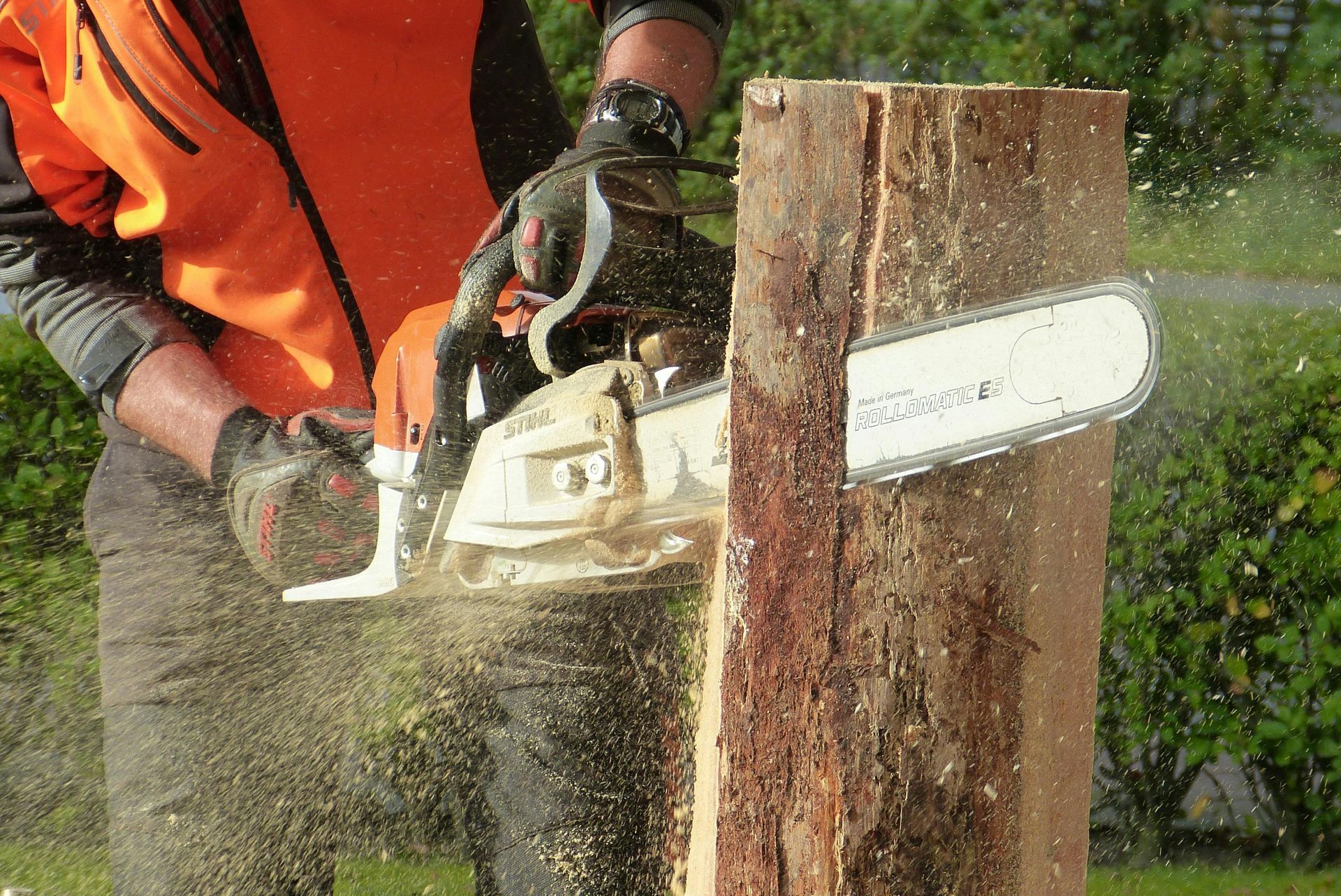
Instead, professionals use specialized equipment to grind the stump down below soil level. The wood is reduced into small chips that blend naturally into the soil.
Most jobs remove the stump several inches beneath the surface, allowing grass to grow over the area. The remaining roots decompose slowly underground without disturbing the surface.
This approach is efficient, clean, and far less disruptive than full excavation.
If you are ready to clear the space properly, professional stump grinding is usually the best solution.
How Grinding Makes Your Yard Build-Ready
When outdoor projects are planned, stump grinding is often the first step.
Once the stump is gone, the area becomes:
- Level and stable
- Easier to landscape
- Better for drainage
- Ready for construction
- More flexible for design
With clear ground, patios, sheds, walkways, gardens, and play areas can be installed without complications.
What was once wasted space becomes usable again.
Why Do-It-Yourself Methods Rarely Work Well
Some homeowners try to remove stumps on their own.
They dig. They burn. They apply chemicals. They rent small grinders.
Most of these approaches lead to frustration.
Digging is exhausting and damages nearby landscaping. Burning is unsafe and often restricted. Chemical treatments take years. Rental equipment is usually underpowered for large stumps.
There is also a real risk involved. Improper equipment use can cause injuries and property damage.
Professional grinding saves time, effort, and unnecessary stress.
How Professionals Handle the Process
A proper grinding job starts with a careful inspection.
Technicians evaluate stump size, surrounding structures, and underground utilities. This ensures safe operation and prevents accidental damage.
Equipment is positioned carefully. Protective measures are used to control debris. Grinding is done slowly and precisely, especially near sidewalks, fences, and buildings.
Afterward, the area is leveled and prepared for restoration.
Professional service focuses on accuracy, safety, and clean results.
What Happens to the Wood Chips
Grinding turns the stump into mulch-like material.
Some homeowners choose full removal for a clean surface. Others reuse the chips in garden beds or landscaping areas.
Both options work well. The right choice depends on how you plan to use the space.
Restoring the Area After Grinding
Once the stump is gone, light restoration helps ensure long-term results.
Adding topsoil prevents settling. Grading improves drainage. Grass seed or sod restores appearance.
If construction is planned, soil compaction may be recommended before building begins.
Proper preparation helps prevent future problems.
How Stump Grinding Improves Property Value
A finished yard sends a strong message.
Buyers notice usable space, clean lawns, and well-maintained landscapes. Visible stumps suggest unfinished work and future expenses.
Removing stumps helps improve curb appeal, increase usable space, support renovations, reduce maintenance issues, and strengthen resale value.
It turns your yard into an asset instead of a limitation.
When Is the Best Time for Stump Grinding?
Stump grinding can be done in most seasons.
Spring and summer are popular for landscaping projects. Fall works well after tree removal. Winter is often possible depending on soil conditions.
The best time is usually when you are ready to improve your outdoor space.
Waiting too long often leads to deeper decay and harder restoration later.
Planning for Long-Term Outdoor Use
Stump grinding works best as part of a bigger plan.
Whether you want a patio, play area, garden, or storage space, starting with clear ground makes everything easier.
Combining grinding with tree trimming, inspections, and regular maintenance creates lasting results and fewer surprises.
Professional tree services support homeowners from removal through restoration.
Final Thoughts
A tree stump may seem like a small issue at first.
Over time, it becomes a barrier.
It limits projects.
It affects appearance.
It creates maintenance problems.
It delays improvement.
Stump grinding removes that barrier.
It opens possibilities.
It prepares your yard for growth.
It supports plans.
It restores flexibility.
If you are ready to turn your backyard into a build-ready space, now is the right time to take action.
Contact Lincoln Tree Company to schedule a free inspection and receive honest guidance based on your property and goals.
Your yard should support your plans, not stand in the way.